Cheryl Fabio featured as one of the Black Women Directors to screen at Stanford
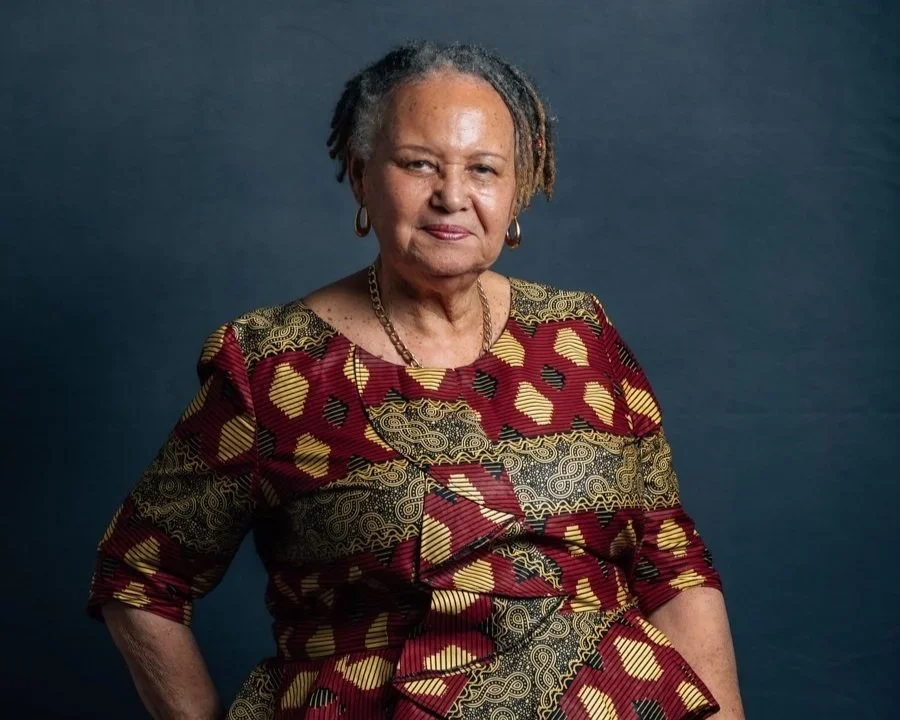
Image credit: Black Women Directors website.
In a powerful celebration of storytelling, legacy, and cultural memory, the KQED-featured film festival “But Some of Us Are Brave” at Stanford University centers the brilliance of Black women filmmakers, past and present, while reclaiming narratives that have too often been overlooked or lost. At the heart of this moment is Cheryl Fabio, a Class of 2021 Women of Color LeadStrong alum, whose enduring contributions to film and community storytelling continue to shape how we understand history, place, and identity.
The two-day festival, inspired by the groundbreaking 1982 Black feminist anthology of the same name, brings together rarely screened films, archival works, and contemporary conversations that highlight the depth and range of Black women’s creative expression. From early cinematic works by Maya Angelou whose contributions behind the camera remain lesser known to experimental and documentary films rooted in the Bay Area, the program underscores a powerful lineage of artists who have long created space for themselves, even when the industry did not.
Among these voices, Cheryl Fabio’s presence stands as both a bridge and a beacon. An Oakland-based filmmaker, Fabio’s work has consistently illuminated stories grounded in community, from documenting homelessness in Alameda County to preserving the cultural legacy of West Oakland’s blues scene. At the festival, her film Rainbow Black: Poet Sarah W. Fabio offers an intimate portrait of her mother—an influential poet, educator, and figure in the Black Arts Movement demonstrating how storytelling can serve as both personal archive and collective memory.
Fabio’s participation extended beyond the screen. In conversation with scholars and artists, she reflected on a lifetime of filmmaking—tracing her journey from her early days as a graduate filmmaker to her current practice. These reflections highlighted not only the evolution of her work but also the broader conditions that have shaped Black women’s access to film and media spaces. Her voice, grounded in lived experience and artistic rigor, embodies the very spirit of the festival: a commitment to honoring the past while actively shaping the future.
Curated by doctoral candidate Kyéra Sterling, the festival itself emerged from a deep recognition that many works by Black women filmmakers have historically “fallen through the cracks” due to systemic barriers in both Hollywood and art-house cinema. By recovering and re-presenting these films, But Some of Us Are Brave is not just a screening series—it is an act of restoration and resistance. It invites audiences to engage with Black women’s storytelling as essential, expansive, and deeply political.
For LeaderSpring Center, celebrating Cheryl Fabio is also a reflection of our commitment to uplifting leaders who move culture forward. As a Women of Color LeadStrong alum, Fabio exemplifies what it means to lead with vision, integrity, and a deep connection to community. Her work reminds us that leadership is not only about visibility, but about preservation—about ensuring that stories, histories, and voices are not only remembered, but honored.
In a time when cultural narratives continue to be contested and redefined, gatherings like this festival—and leaders like Cheryl Fabio—offer a powerful reminder: the stories of Black women have always been here, shaping the world. Now, they are being seen, heard, and celebrated in the ways they have always deserved.
Learn more about Sarah Webster Fabio for Social Justice: https://swfcenter4sj.org/